
Game, Set and Setback: What leaders can learn from Rafa
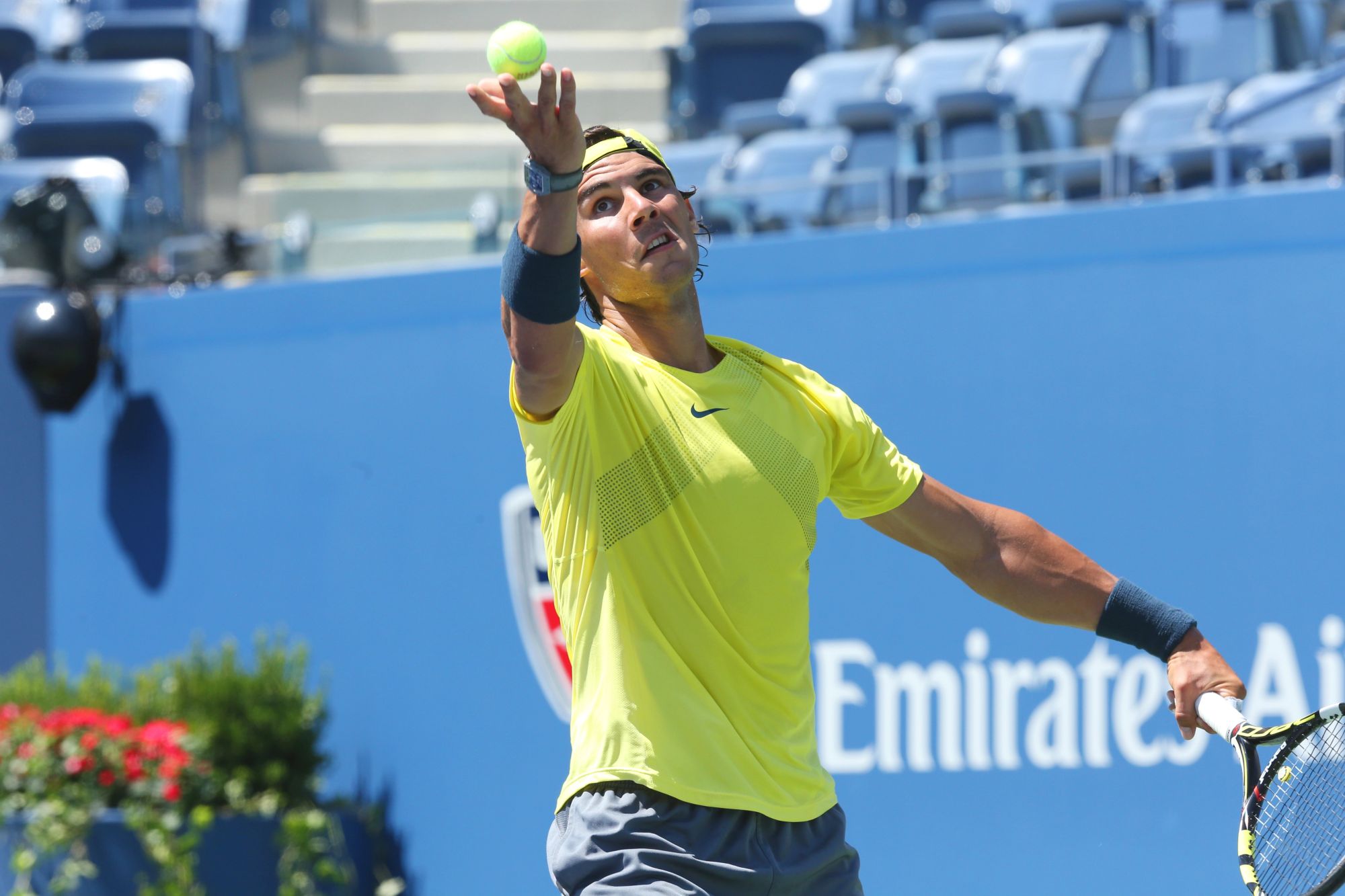
The temperatures may have cooled but the heat is on for the players as the world-famous Wimbledon Lawn Tennis Tournament begins. As a keen tennis spectator, I see many parallels between elite tennis players and leaders at the top of their game. As Emma Radacanu and Jack Draper withdraw due to injury, what can leaders learn about how to handle significant setbacks?
Last week, I watched the recent Netflix documentary on Rafa Nadal. Rafa ranks among the tennis greats of all time. Across 23 seasons, Nadal’s career win/loss record is the second-best ratio in history behind Djokovic. His total of 1,080 match wins ranks him fourth in the Open Era, behind Connors, Federer, and Djokovic.
The four-part documentary Rafa follows Rafael Nadal’s life from his childhood in Mallorca through his attempted return to competition in 2024 and eventual retirement. It is less a celebration of trophies than an examination of the psychological and physical cost of sustaining exceptional performance and managing setbacks.
So, what can leaders in a fast-paced world learn from this champion? Here are five points to consider to help leaders stay at the top of their game today.
- Rituals for tough times: Nadal constructed particular routines, including arranging bottles and repeating physical gestures, to sharpen his concentration . He describes them as a way of staying in the immediate moment, controlling distraction and keeping him calm under pressure.
Leadership question: Leaders need routine rituals particularly when the going gets tough. Can you name yours? - Managing Self Doubt: The series challenges the idea that elite performers operate from a state of permanent confidence. Its director contrasts Nadal’s approach with Novak Djokovic’s: Djokovic appears to continually project certainty, while Nadal used doubt to keep himself alert, prepared and working. Nadal did not become successful by eliminating fear or uncertainty. He developed coping strategies so that he could still compete while experiencing them. Nadal’s lack of complete confidence kept him preparing, observing and adjusting.
Leadership question: What coping strategies have you cultivated to stay in the game? - Develop and replenish a healthy Support System: Family, coaches, doctors and longstanding team members feature prominently in Nadal’s life. The influence of his uncle and early coach, Toni Nadal, was especially significant, helping to form Nadal’s discipline, competitiveness and attitude towards discomfort. In Rafa’s last few years, he hired Carlos Moya as his coach and Nadal found a new freedom beyond the punishing regime of his earlier years. His rivalries with Roger Federer and Novak Djokovic were another source of development. They forced him to improve, adapt and repeatedly test his game against different but equally excellent players. Leaders need a support system, They rarely achieve alone. They need a winning team beside them, sponsors, mentors or coaches that can act as sounding boards – people prepared to challenge as well as support them. Leadership question: Who is in your court? Which colleague is helping you to play at your best?
- Resilience is not only about digging deep but about adaptation. The Rafa series shows that resilience is not about continuing to do the same thing despite pain. Nadal changed his training, treatment, game and expectations repeatedly. From a natural sliding tactic to cover more of the clay court, Nadal had to have different strategies to win on grass. For leaders, resilience means learning quickly, revising assumptions and finding another route to the outcome. Leadership question: Where are you demonstrating endurance but failing to change your approach?
- Examine the cost of performance. Nadal’s achievements came with substantial physical and emotional consequences. The documentary does not pass judgment on his choices, but it makes the cost visible. Leaders need to distinguish between a demanding period that serves a clear purpose and a pattern that damages people, judgement or long-term capability. High standards do not excuse avoidable harm. Nadal pushed himself relentlessly and ultimately retired because his body could no longer take the punishment. Leadership question: What is your current performance model costing you and the people around you?
We may have old and new rising stars this week at Wimbledon. The conditions may also be different. With intense heat forecast and Carlos Alcaraz out due to injury, perhaps Jannik Sinner will come to Wimbledon wiser after bowing out under the heat of Paris? Or Novak will make history by winning a 25th major that would break the all-time tennis record for the most singles majors in history,
Like leadership, it is all to play for.